Read the Table, Not the Brochure: What Shared Meals Reveal About Your Placement
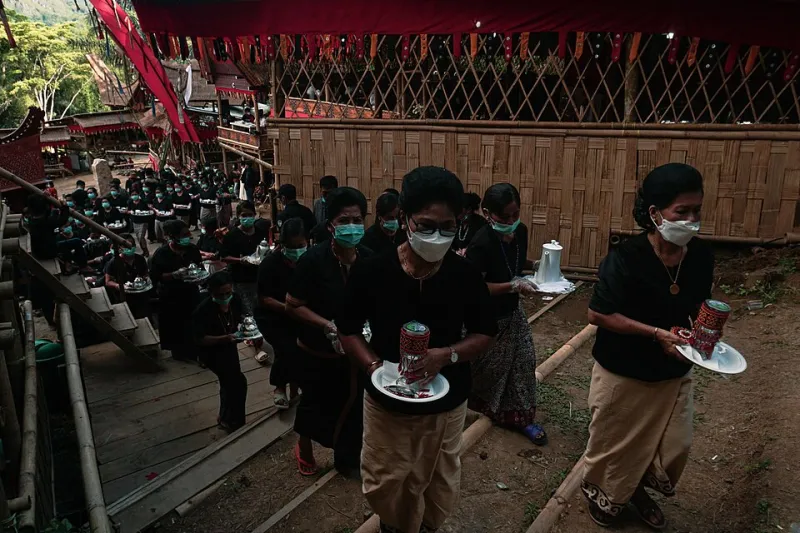
Photo: Apriantovictorya, CC BY-SA 4.0, via Wikimedia Commons
The induction meeting tells you the schedule. The table tells you the truth.
Ask anyone who has lived with a host family and they will eventually get round to food — not the recipes, but the politics of it. Whether you were expected to help. Whether there was enough. Whether the good plates came out on day one and never again. Meals are where cultural exchange stops being an idea and becomes something you have to sit through, three times a day, with your hands.
The table is the contract nobody reads out
A placement agreement will cover hours, insurance and safeguarding. It rarely covers the fact that your host expects you at dinner at seven, considers it rude if you skip, and cooks for an extra person on a budget that was already tight. All of that is negotiated silently, by plate.
In many host communities hospitality is not optional — it is a form of standing. Refusing food can read as refusing the household. Understanding that before you land is more useful than any phrasebook.
Who cooks, who eats last
Watch the kitchen for a week and you'll learn a great deal about the household you've joined. Some things worth noticing, without judgement:
- Who does the work. If one person cooks and serves while everyone else waits, that's a role, not an accident. Ask whether you should be helping, and accept the answer even if it's no.
- Who eats last. In some homes the cook eats after everyone else, or the men eat first, or the children are fed early. You don't have to like it to notice it — and noticing without commenting is a skill worth practising in week one.
- Who gets the good portion. If you're consistently served the largest plate, that's hospitality, and it may be costing them. Eating everything isn't automatically polite if it means the family goes short.
- Who eats alone. A host who eats in the kitchen while you eat in the living room is telling you something about the terms of the arrangement.
What's on the plate tells you about money
If your placement fee included "all meals", you might reasonably assume you're eating what the family eats. Often you are — and sometimes what the family eats when a paying guest is present is not the same as what they eat in an ordinary week.
The practical consequence is budgeting. A family that buys extra meat for your arrival is spending money they may not have. Two small habits help: ask early what the household normally eats, and offer to contribute — a bag of rice, a market shop, petrol money, or a share of the weekly food budget. It's an awkward conversation for about ninety seconds and a relief for months.
This is also where a placement's honesty shows. If the food you're served is conspicuously better than what's in the cupboard, ask who's paying for the difference. It's a fair question and a genuine one.
Six questions to ask before you book
None of these are suspicious. Ask them by email, get answers in writing, and treat vagueness as information.
- How many meals a day are included, and on which days? Weekends are where the gaps hide.
- Will I eat with the family, or separately? Both are valid; only one is an exchange.
- Can I use the kitchen, and when? "Access to kitchen" can mean anything from a full hob to a kettle at 6am.
- How is food paid for? Included in the fee, a separate weekly contribution, or entirely self-catered.
- What's the local water situation? Bottled, filtered, or safe from the tap — and who covers the cost.
- What happens if I can't eat what's served? You want a specific answer, not "it will be fine".
Allergies, vegan and halal: clear beats polite
British reticence is a genuine hazard here. The urge to say "oh, don't worry about me, I'll manage" has put more people in awkward positions than any language barrier.
Be specific and be early — ideally before you arrive, in writing, so your host can plan and shop. "I'm allergic to peanuts — including peanut oil — and I carry medication" is not fussy; it's the sort of sentence that prevents a hospital trip. For a vegan diet, name the actuals: no meat, fish, dairy or eggs, and say what you happily eat, because "vegan" may translate poorly. For halal or kosher requirements, explain what you need and ask what's available locally rather than hoping for the best.
If your needs genuinely can't be met in the household, better to know in advance and agree a self-catering arrangement than to spend three weeks eating plain rice and quietly resenting everyone.
Saying no without causing offence
There will be a moment when a plate is offered and you cannot face it. A few things that help:
- Never refuse the person. Praise the food, then decline the portion: "It smells wonderful — I'm genuinely full from lunch, could I have a small bit?"
- Ask for less rather than none. A token portion keeps the ritual intact.
- Bring your own contribution now and then. Turning up with fruit or bread changes you from guest to participant.
- If you've eaten elsewhere, say so warmly and early, before the cooking is finished.
- Don't lie about allergies to get out of a dish. It spreads confusion and makes the next volunteer's life harder.
The Sunday lunch test
Anyone who has eaten a Sunday roast with a British family knows that food carries unspoken rules at home too: the seating, the timing, the second-helping dance. You already have this skill. You've just never had to use it in a language you don't speak.
So treat the first week of meals as research rather than performance. Offer to wash up. Ask what's in the dish. Learn three recipes badly. Eat what you can, ask about what you can't, and contribute to the shopping without making a speech about it.
"I learned more about my placement in the first four dinners than in the whole induction," says Tom, who volunteered for three months in southern India. "The family were quietly worried about money the entire time, and it took me a fortnight to notice, because nobody says that out loud. I started buying the vegetables. It changed everything."
Food is the part of a trip that repeats three times a day, which makes it the part that shapes how you'll remember the whole thing. Read the table early. It'll save you a lot of guessing.