The Comfort Blanket of English: Rethinking Language on a UK Volunteering Placement
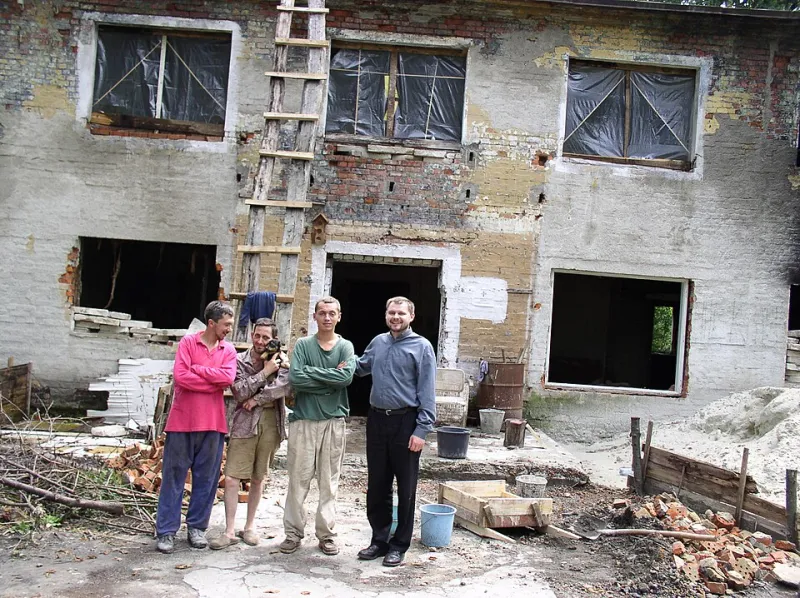
Photo: U.S. Embassy Kyiv Ukraine, Public domain, via Wikimedia Commons
There is a moment on many UK volunteering placements abroad when English becomes the default. Someone from the host organisation switches to English for your benefit, a meeting is held in your language, or a local colleague translates a quick aside. It feels helpful. It is helpful. But it can also become a comfort blanket that keeps you at a polite distance from the place you came to understand.
This is not a guilt trip. English is a genuinely useful bridge, and many host communities are rightly proud of the languages their staff speak. The point is subtler: just because someone can speak English does not mean an English-first placement is an equal one. Language shapes who speaks first, who sets the pace, who sounds confident, and who ends up doing the unpaid emotional labour of translation.
On a purposeful trip, that matters. A placement is meant to be an exchange, not a one-way delivery of UK know-how in a familiar accent.
Fluency Is Not the Same as Being Understood
A host colleague may speak excellent English for a work meeting, then spend the evening translating your jokes for a relative. Someone may understand your words but miss the cultural shorthand behind them. UK volunteers arrive with a backpack of phrases that do not travel well: “let’s touch base”, “joined-up thinking”, “safeguarding”, “DBS”, “the council”, “wrap-around support”. None of these are neutral. They carry a whole public-sector culture with them.
There is also the fatigue factor. Holding a conversation in a second language is hard work. If every planning meeting, coffee break and site walk happens in English, host staff are doing extra labour just to include you. They may smile through it. That does not mean it costs them nothing.
The power imbalance is easy to miss because it feels so normal. The person with the native-sounding English often controls the pace, the humour and the minutes. That is a lot of quiet authority to bring to a placement you probably joined to learn from others.
The Small Words That Change a Room
You do not need to become fluent before you go. You do need to show that you are not treating the local language as optional. Learn the greetings first: hello, good morning, please, thank you, sorry, excuse me, yes, no, how are you. Learn how to say your name and ask someone else’s. Learn numbers, directions and a few food words. Practise them out loud, badly, before you fly.
Then use them. Open a meeting with a greeting in the local language, even if the rest is in English. Thank the person who made tea. Apologise properly when you get a name wrong. Ask a host colleague, “How would you say this here?” and write it down. Small efforts signal that English is a shared tool, not the natural order of things.
One caveat: don’t turn your three phrases into a performance. A quick greeting is respectful. A full monologue delivered phonetically from a phrasebook can put people in the awkward position of having to praise you. Keep it light and keep listening.
Hire Locally, Brief Properly
If a placement genuinely needs interpretation, do it properly. Hire a local interpreter and pay them fairly. Brief them on the subject, the jargon and the format. Send slides and agendas in advance. Ask the host organisation whether they would rather lead in their language and have you listen through interpretation, rather than everyone switching to English because you are in the room.
Do not quietly draft a bilingual colleague into free translation. It happens often: the one person who speaks good English ends up summarising for the whole group, missing their own contribution in the process. If translation is needed, make it visible work with time and budget attached.
Also, slow down. Plain English is not stupid English. Short sentences, fewer acronyms and a pause for questions will help everyone, including the host staff who are too polite to say they are lost.
Let Host Staff Lead the Conversation
A simple fix is to ask who chairs the meeting. If the answer is always the UK volunteer, ask why. Host staff should lead conversations about their community, their priorities and their ways of working. You can contribute without running the room.
Try a round-robin where everyone speaks once before the discussion opens up. Allow silence. UK meeting culture often treats a gap as something to fill, but a pause can be where the real question emerges. If you are working in small groups, ask whether some groups can run in the local language and report back afterwards. And check understanding both ways: instead of “Do you understand?”, ask “What have I missed?” or “How would you explain that to a colleague here?”
A Pre-Departure Language Checklist
Before you zip the case, run through this:
- Learn 20 useful phrases, including greetings, thanks, apologies and “please say that again slowly”.
- Check pronunciation basics with a reliable audio source, not just a phrasebook.
- Ask the provider what language is used in daily meetings, written updates and informal breaks.
- Budget for a local interpreter if the placement involves formal meetings or safeguarding conversations.
- Download an offline dictionary and a language-learning app before you travel.
- Listen to local radio, podcasts or news for a week to tune your ear.
- Prepare a short, plain-English introduction to your role and skills.
- Agree with the host how you will ask for clarification without embarrassment.
- Find out which documents can be shared in the local language.
- Learn to say “sorry, I don’t understand” without apologising for existing.
Questions to Ask Your Placement Provider in 2026
A good provider should welcome these, not dodge them:
- What language do host staff use in day-to-day work and formal meetings?
- Will interpretation be provided, and who pays for it?
- How do you stop one bilingual colleague becoming the default translator?
- What local language learning is included before or during the placement?
- Are key documents and safeguarding information available in the local language?
- How do you make sure UK volunteers do not dominate group conversations?
- What phrases should I learn before I arrive?
- How will you check that I have understood the host organisation, not just that they have understood me?
English as a Bridge, Not a Default
The aim is not perfect fluency or performative humility. It is noticing who is doing the extra work to make you comfortable, and shifting a little of that effort back. Learn the greetings. Pay the interpreter. Let the host lead. Ask better questions. English can be a bridge on a placement, but only if you stop treating it as the whole road.
That is the exchange part. And it is usually where the useful stuff starts.