The Honest Ask: Fundraising for a Placement Without the Saviour Script
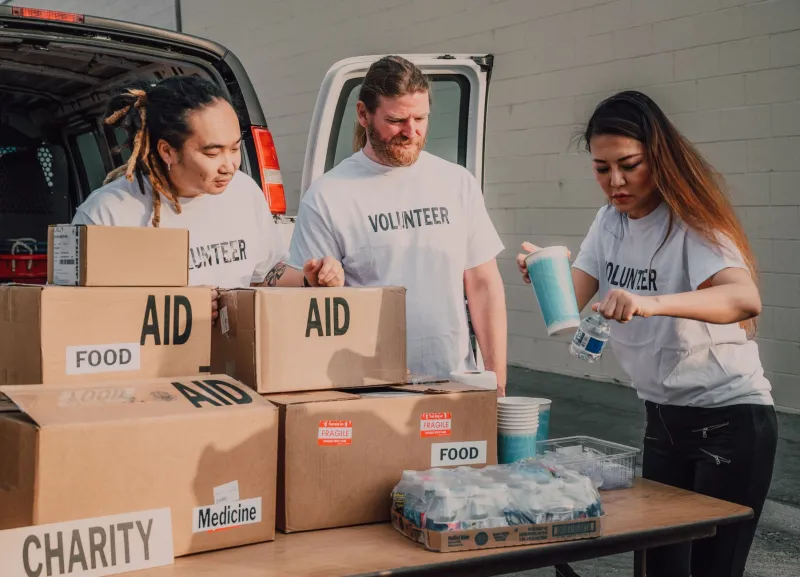
You have found a placement. You have had the calls, read the fine print and worked out the dates. Now comes the bit that often gets glossed over in the volunteer-abroad brochures: the money. Flights, placement fees, insurance, vaccinations, maybe a few weeks of lost wages. For plenty of UK volunteers, fundraising is not an afterthought. It is the first task of the trip.
But the usual crowdfunding script - 'help me help them' - can slide quickly into poverty tourism. The line between asking for support and selling a story is thinner than it looks. This is a playbook for raising what you need without turning your host community into a backdrop.
Start With a Real Budget, Not a Feeling
Before you post anything, sit down with a spreadsheet. List every cost: return flights from your UK airport, the placement fee (if there is one), travel insurance that actually covers volunteering, visas, jabs, kit, airport transfers, and a realistic figure for lost wages if you are taking unpaid leave. Add a small buffer for the unexpected.
Then publish that list. People trust numbers. A breakdown that says '£620 flights, £350 placement fee, £180 insurance, £90 jabs' is far more convincing than a vague plea for 'whatever you can give'. If you are covering part of the cost yourself, say so. Transparency is not just ethical - it is effective. Donors can smell a fudge.
The Difference Between Asking and Selling
Asking sounds like this: 'I am going to work with X organisation on Y project for six weeks. Here is what it costs and here is what I will be doing.' Selling sounds like this: 'These people need me.'
The second version turns your hosts into props in your own story. It also tends to use words like 'save', 'rescue', 'give them a voice' or 'make a difference' without saying what any of that actually means. Avoid the saviour script. Use language your host organisation would recognise. Ask them how they describe their own work, and use their words rather than your marketing copy.
Involve the Host in the Story
Do not write their narrative for them. Ask your host: what should I say about your community? What should I leave out? Which photos are okay to use, and which are not? Get explicit permission before you post a picture of anyone, especially children.
Better still, let the host write a short paragraph for your fundraising page. If they cannot or would rather not, quote them accurately and keep it short. This is not just polite - it makes for a more compelling ask. Donors are quick to spot a manufactured story, and they are quicker to spot one that has been built without the people it claims to help.
Platforms, Fees and the Gift Aid Trap
JustGiving, Crowdfunder, GoFundMe - each takes a cut, and the fees change. Check the current rates before you choose. Some platforms charge a percentage plus a payment-processing fee; others let donors cover the cost. Be upfront about it on your page so nobody feels misled.
Then there is Gift Aid. This is where a lot of well-meaning UK volunteers get into a muddle. HMRC rules are clear: you cannot claim Gift Aid on donations made to an individual. If you are crowdfunding for your own flights and fees, Gift Aid does not apply. If you are raising money for a registered charity that is running the placement, the charity may be able to claim Gift Aid on eligible donations - but only if the donor makes a Gift Aid declaration and the charity is eligible. Do not promise Gift Aid unless you are certain. If in doubt, ask the charity. And be clear on your page whether you are fundraising for yourself or for a charity. Mixing the two is a recipe for confusion and, potentially, a compliance problem.
Bake Sales, Pub Quizzes and the Local Angle
Not all fundraising has to be online. Bake sales, pub quizzes, sponsored walks, a raffle with prizes donated by local businesses - these still work. They also let you talk to people face-to-face, which is harder to reduce to a slogan. Keep the pitch short and factual. A poster with a budget breakdown and a couple of lines about the work beats a tear-jerker. If you are raising for a charity, check whether they have a fundraising pack or rules about how their name can be used.
The Scale-Down Option
If the money is not coming, do not inflate the story to close the gap. Scale the trip down instead: a shorter stay, cheaper flights, a smaller placement fee, or postpone until you have saved more. A smaller placement done honestly is better than a bigger one sold on a false premise.
Ask yourself a simple test: would I be comfortable if my host read this fundraising page? If the answer is no, rewrite it. If the answer is still no, maybe the trip needs rethinking.
After the Money
Send updates, but not just photos of you smiling with children. Share what you learned, what went wrong, what the host organisation is doing next. Close the loop. Donors who feel respected become allies, not just an audience.
Fundraising is part of the placement. Do it with the same ethics you would bring to the work itself.
A Final Check Before You Post
Before you hit publish, run through this list. Is the budget specific? Have you avoided saviour language? Has your host seen and approved how they are described? Are you clear about platform fees and Gift Aid? Would you be happy for the host to read every word? If you can answer yes to all five, you are ready to ask honestly. And honestly is the only ask worth making.