One Kettle, One Confidante: Why a Single Local Friendship Beats the Perfect Itinerary
Most volunteering brochures sell the shape of a trip: arrival, induction, project, a few cultural afternoons, farewell. It is a tidy arc, and there is nothing wrong with a bit of structure. But ask volunteers what stayed with them and you rarely hear about the third item on the itinerary. You hear about the neighbour who taught them how to cook a proper local stew, the colleague who walked them to the bus stop every evening, or the person who laughed at their attempts to pronounce the town name and then patiently corrected them for a fortnight.
The name Una Exchange does a lot of quiet work here. Una means one. Not one grand gesture, not one perfect project, but one meaningful exchange — a relationship real enough to tell you the truth about a place. A full schedule can keep you busy. A single local friendship can change the way you understand the work you came to do.
The schedule is scaffolding, not the building
Itineraries are useful. They get you to the right building, introduce you to the right people and stop you from spending your first week hovering awkwardly by the kettle. But they are scaffolding. The building is the human stuff underneath: trust, routine, small favours, shared boredom and the odd misunderstanding that gets sorted out over tea.
On a short placement, it is tempting to treat every free hour as a gap to be filled. A language class here, a market visit there, a sunset hike because the guidebook says so. None of that is bad. But if you are never around long enough to be boring, you never get to be known. And being known is where the useful part starts.
Start with the kettle, not the checklist
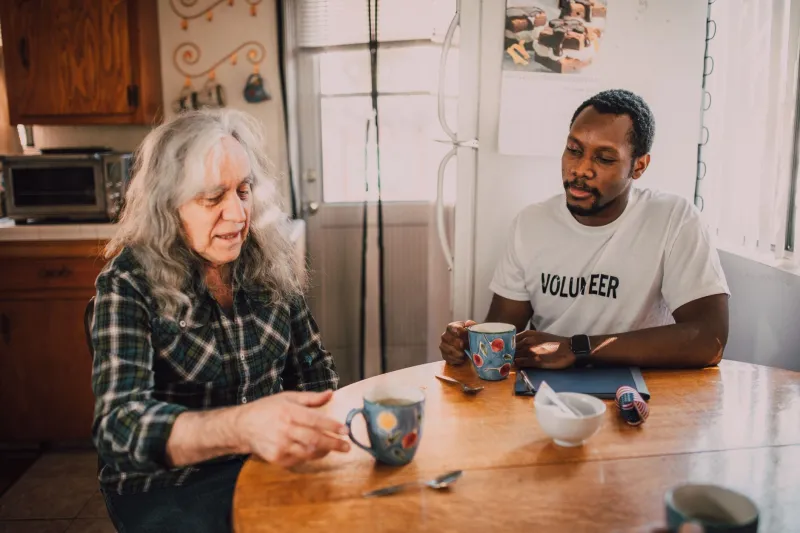
British volunteers have an advantage here: we are already trained in the low-stakes social ritual. Offering to make a round of teas is not just a polite habit. It is a way of saying, without saying it, that you are available for a normal conversation. Do the same abroad. Find out when people take a break. Ask if you can join. Bring something small to share if that fits the culture. Sit down. Put your phone away.
The same goes for the walk to the bus, the queue at the shop, the ten minutes before a meeting starts. These are not dead time. They are the bits where people decide whether you are a guest to be hosted or a person to be talked to. A shared tea break will teach you more about local attitudes to time, family, money or weather than a hundred-page briefing pack.
Ask better questions, then stop performing
Good questions are open, specific and a bit humble. "What is changing round here at the moment?" is better than "What is the biggest problem?" The first invites a person to tell you about their street, their work, their worries. The second asks them to hand you a neatly packaged issue for your own understanding.
Try questions that leave room for a real answer: "What do you wish more visitors understood?" "Who else should I be learning from?" "What would make this project useful after I go?" And then — this is the hard bit — resist the urge to fill every silence with your own story. A conversation is not a pitch. You do not need to prove you are useful, interesting or well informed. You just need to be there.
Reciprocity has a brake pedal
A friendship is not a project deliverable. It cannot be scheduled into Thursday afternoon between 2pm and 4pm. The moment you start treating a local person as your cultural interpreter, your entry point or your proof that the trip is authentic, you have turned them into a service.
Reciprocity means checking the direction of the traffic. Are you always the one asking? Are you only in touch when you need something? Do you know what they are dealing with, or only what they can teach you? Are you offering help in return — not necessarily grand help, but the ordinary kind: picking something up, covering a shift, sharing a skill, being reliable when you say you will be there?
It also means respecting the brake. Some people are warm and private at the same time. Some will invite you in for a meal and still not want to be your best friend. Read the signal, not the brochure. A good relationship has room for you to step back without turning it into a drama.
One relationship, wider ripples
A single friendship is not a narrow outcome. It is a doorway. Through one person you learn how a town actually works: which bus is reliable, which shop gives credit, which local group is trusted, which official is listened to. You hear the version of the place that never makes it into the induction pack. And when you leave, you leave with a relationship that can outlast the project — the sort that can answer a question months later or tell you honestly whether the thing you helped start is still standing.
So by all means, use the itinerary. Turn up on time, do the work, go on the cultural visit. But leave space for the unplanned brew, the second cup, the conversation that goes on a bit longer than either of you intended. The Una principle is not an argument against doing things. It is an argument for letting one real relationship sit at the centre of the trip. That is the bit you will still be thinking about on the train home from the airport.