Small Print, Muddy Boots: Travel Insurance for UK Volunteers in 2026
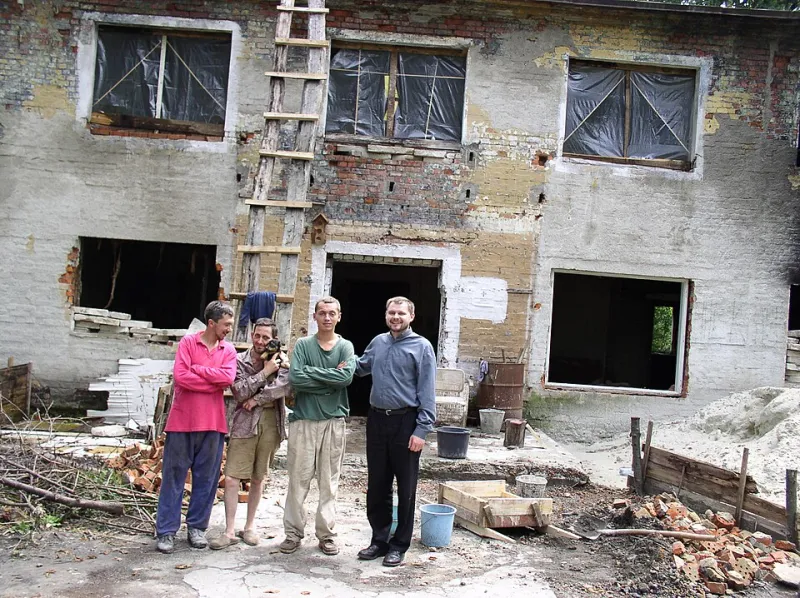
You have found the placement, had the slightly awkward video call with the host, and paid a deposit. Somewhere in the welcome pack is a line about insurance. It is easy to treat that as admin – a box to tick before you start thinking about boots and malaria tablets. But a standard holiday policy and a volunteering placement are not natural bedfellows. One is designed for lying still on a beach; the other might involve a wheelbarrow, a power tool, a remote clinic or a dog with strong opinions.
The trick is to read insurance as a volunteer, not as a tourist. That means starting with what you will actually do, where you will do it, and what happens if the placement goes sideways before you even leave the UK.
Start with the tasks, not the destination
Most travel insurance policies are built around destinations and durations. Volunteers need to talk about tasks. If your placement involves construction, farming, conservation work, animal rescue, childcare, teaching or driving, say so – plainly and in writing.
Many policies exclude manual work, hazardous activities or anything that looks like employment. Unpaid volunteering can still fall foul of a clause that excludes work of any kind. A policy may cover you for hiking in Peru but not for carrying rocks at a building site in Peru. It may cover you for a safari but not for cleaning out animal enclosures.
Before you buy, ask the insurer or broker a direct question: does this policy cover unpaid volunteering, including manual tasks, for the full duration of my trip? Give them the host organisation's name, the country, the dates and a short list of duties. Keep the reply. If the answer is vague, assume the claim will be vague too.
Specialist volunteer insurance exists for a reason. It is not automatically better, but it is more likely to understand the difference between a gap year and a working placement. Compare it with a standard policy rather than assuming either is the right answer.
The activities that sneak past the activity list
Activity lists are where otherwise sensible volunteers get caught. You might not think of yourself as an adrenaline traveller, but a placement can include a weekend trek, a moped ride, a snorkelling survey or a hike above a certain altitude. Some policies set altitude limits. Some exclude scuba diving unless you are qualified and diving with a recognised operator. Some treat mopeds as a separate risk entirely – especially if you do not hold the right licence.
Check the policy's definition of adventure activities and compare it with your realistic plans, not your most cautious ones. If you will be helping on a conservation project that involves diving, say so. If the host suggests a weekend hike at altitude, check the limit before you go. Add-ons are often cheaper than arguments later.
Also look at what the policy says about alcohol and reckless behaviour. Volunteering is not a package holiday, but a late-night decision on a moped is still a late-night decision. Insurers are not charities, and they will read the clause.
Repatriation is the clause you hope never to use
Medical cover is not just about hospital bills. For volunteers, the important questions are usually about evacuation and repatriation. If you are hurt in a remote area, will the insurer organise and pay for transport to a suitable hospital? Will they bring you home if that is medically necessary? Is there a 24-hour emergency assistance line, and does it work from the places you will actually be?
A UK Global Health Insurance Card is useful in some countries, but it is not travel insurance and it will not cover repatriation, private treatment or the cost of getting a companion to your bedside. Do not let it become a reason to skip proper cover.
Read the medical section for pre-existing conditions, too. If you have asthma, a bad back, a recent injury or medication you take regularly, declare it. The boring phone call now is better than the very expensive phone call later. Check whether the policy requires you to call the insurer before non-emergency treatment, and whether it reimburses you or pays providers directly.
Cancelled placements and curtailed trips
Most volunteers think about cancellation as a flight issue. For a placement, the bigger question may be the deposit or programme fee. If you fall ill before departure, can you reclaim placement costs? If the host cancels, are you covered? If you have to come home early because a relative is ill, does curtailment cover apply?
Some policies cover travel arrangements but not volunteer programme fees. Some treat placement fees as a separate add-on. Check the wording around cancellation, curtailment and abandonment. Look at what counts as a valid reason to cancel and what evidence you would need. Vague promises from a host are not the same as an insurance contract.
If your placement depends on a visa, check whether refusal is covered. If you are relying on a charity or NGO, ask what happens if the project is suspended. You may not be able to insure every risk, but you should know which ones you are carrying yourself.
What to ask before you pay the deposit
- Does the policy cover unpaid volunteering, including manual work, for the full trip?
- Are my specific tasks listed or excluded – construction, farming, animal care, childcare, driving, diving?
- What are the altitude, activity and licence limits?
- Is emergency medical evacuation and repatriation included, and who arranges it?
- Are placement fees and deposits covered if I cancel or the host cancels?
- Does the policy cover curtailment if I have to return home early?
- Are pre-existing conditions covered, and what must I declare?
- What is the excess, and does it apply per claim or per person?
- Is there a 24-hour English-speaking assistance line?
- Does the policy cover the country and duration I need, including any travel before or after the placement?
Ask for answers in writing, or at least save the chat. Compare policies on the clauses that matter to you, not just the headline price. A cheap policy that excludes your main daily task is not cheap; it is just a receipt for false confidence.
The boring admin that saves the trip
Once you have cover, put the policy number, emergency phone number and a PDF of the documents somewhere you can reach offline. Share the details with your host and your next of kin. Know whether you must call the insurer before treatment, and keep receipts if you pay for anything yourself. If something goes wrong, contact the emergency line as soon as it is safe to do so.
Insurance is not the most romantic part of a purposeful trip. It will never rival the first morning on a placement or the people you meet around a shared table. But it is part of travelling responsibly. Read it as a volunteer, ask the awkward questions early, and let the small print do its job quietly in the background.