The Two-Berth Rule: Volunteering Abroad as a Duo Without Falling Out

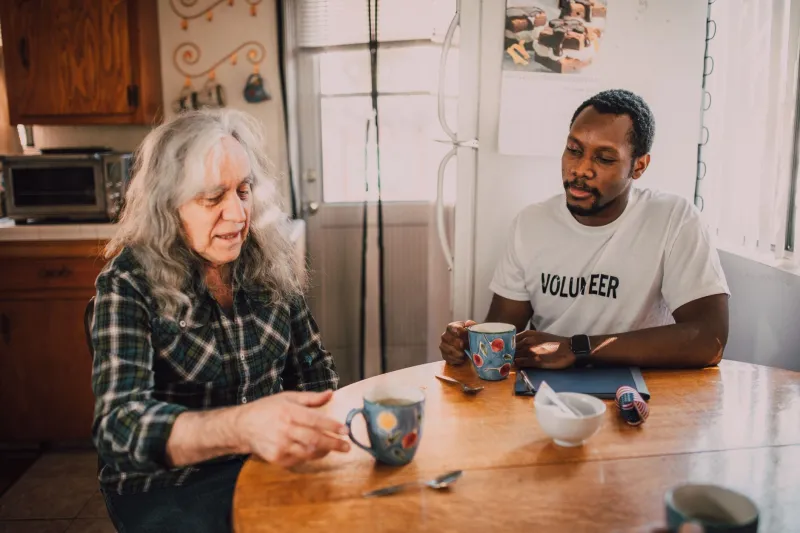
Photo by Photo by Tri Vo on Unsplash on Unsplash
There’s a particular optimism to booking a volunteering placement as a pair. You picture yourselves side by side, sleeves rolled up, exchanging meaningful glances over a freshly painted school wall. Then you remember the last time you shared a tent at Glastonbury and spent forty minutes arguing about whose fault it was that the airbed went flat.
Volunteering abroad as a duo can double your confidence. It can also double the friction. Two people means two sets of expectations, two energy levels and, quite often, one tiny shared bathroom. None of that is a reason to stay home. It is a reason to go in with your eyes open — and with a few awkward conversations had before you board the plane.
Pick a host that actually wants two of you
Plenty of adverts say ‘couples welcome’ or ‘friends welcome’ without meaning much beyond ‘we have a spare room and could use an extra pair of hands’. That’s not the same as a host who has thought about how two people will fit into the daily rhythm of the place.
Ask directly: ‘If two of us arrive, what does a typical day look like for each person?’ A good host will have an answer that involves two distinct roles, not one job sawed in half. They might need one person in the kitchen and another in the garden, or one on morning animal feeds and one on afternoon bookings. They might say, honestly, that the work is shared and flexible. What you don’t want is a vague promise that ‘there’s always something to do’.
Also ask whether previous pairs have stayed, and how it went. If the host can’t remember, that’s not automatically a red flag — but it’s worth noting. And if the advert says ‘volunteers must be flexible’ with no further detail, treat that as a prompt to ask more questions, not a reason to run. Flexibility is fine. Vagueness is expensive.
Split the roles, not the friendship
The classic pair-placement trap goes like this: one of you becomes the project manager. They handle the host chat, the money, the itinerary and the reminders about sun cream. The other becomes the holidaymaker. They float along, pleasantly, until the project manager snaps over breakfast.
It’s rarely a dramatic fall-out. It’s usually a slow build of small resentments. To avoid it, agree before you go who is handling what. Not forever — just for the first week. One of you might take the lead on money and receipts. The other might take the lead on host communication and arranging days off. Swap if it starts to feel lopsided.
Try a ten-minute daily check-in. Not a summit. Not a performance review. Just: ‘What’s working? What’s annoying?’ Keep it short and keep it regular. If you can’t say ‘I’m knackered and I need you to do the washing-up tonight’ without it becoming a State of the Union address, you’ll both suffer in silence.
Shared accommodation: ask the boring questions
Beds. Doors. Bathrooms. Wi-Fi. Noise. These are the things that turn a lovely placement into a fortnight of gritted teeth. Ask for photos of the room, not the view. Ask whether there’s a door you can close, and what the policy is on downtime. ‘You’ll be part of the family’ is a warm sentence, but it can also mean ‘we will be in your space at all times’.
If one of you needs quiet mornings and the other wakes up talking, say so now. Ask about hot water, laundry and charging points. Ask whether the host expects you to eat every meal together. None of these questions are rude. They are the practical equivalent of checking the weather before a walk.
The two-berth rule
Here’s the simple plan. Every few days, schedule a half-day apart. Not as a punishment, not as a sign that things are going wrong. Think of it as a release valve. One of you goes for a walk. The other reads. One visits the market. The other naps. You don’t need to justify it or dress it up as ‘me time’. Just agree that it’s happening.
British understatement helps here. ‘I’m taking a two-berth’ is a useful code for ‘I need an hour without being perceived’. It’s light enough to say out loud and clear enough to be respected. It also gives you separate friendships with local people, which is often where the best parts of a placement live.
Conversation scripts and red flags
Before you commit, try a few questions that sound casual but do real work. ‘We’re coming as a pair, so can you tell us how you’d split the work and the room?’ ‘What do you do when two volunteers don’t get on?’ ‘Is the placement fee per person or per pair?’ That last one matters more than you’d think.
Red flags in adverts include: ‘No need to discuss roles — we’re all family here.’ ‘We’ll sort the details when you arrive.’ ‘One of you can help in the kitchen while the other…’ without asking what either of you actually wants to do. Also watch for hosts who describe the accommodation as ‘cosy’ without mentioning beds, or who treat a pair as a single unit with one set of skills.
The honest bit
You will annoy each other. That’s fine. The goal isn’t perfect harmony. It’s a placement you both remember without a permanent grudge. Pack separate headphones. Keep a shared note of things you’re grateful for, even if it starts as a joke. In 2026, with more UK volunteers taking short purposeful trips and career breaks, pair placements are popular — and good hosts are learning how to accommodate them properly.
Choose a host that respects two separate people, not a two-headed volunteer unit. Then give each other enough space to be those separate people. The friendship will thank you. The airbed will still go flat, but at least you’ll be somewhere more interesting.