Suitcase Diplomacy: How UK Volunteers Can Give Gifts Without Causing a Fuss
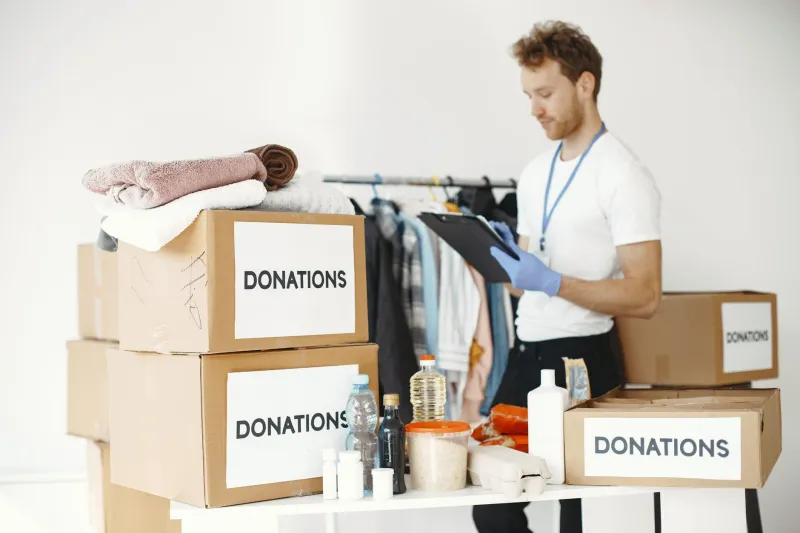
Most UK volunteers have felt the urge. You are heading abroad for a placement, your suitcase has a little spare room, and suddenly you are eyeing up bulk pencils, deflated footballs, plasters and last season’s hoodies. It feels generous. It feels useful. It also, sometimes, feels like a problem waiting to happen.
Gifts are rarely just gifts. They carry assumptions about what a community lacks, who gets to decide, and what happens after the volunteer flies home. None of that means you should never bring anything. It means the packing list deserves a conversation before it becomes a shopping list.
Start with a question, not a shopping spree
The best pre-trip gift is an email or WhatsApp message that asks before you buy. Keep it open and specific. Try something like: Is there anything you would welcome us bringing from the UK, or would you rather we bought supplies locally? That gives your host room to say no without feeling rude.
Avoid the vague what do you need? It can put people on the spot and produce a polite answer rather than a useful one. Ask instead about the work you will actually be doing. Will the project need art materials, sturdy gloves, reading glasses, a sewing machine, sports kit? Is there anything that is hard to source locally but easy to fit in a suitcase? And just as importantly: is there anything you should not bring?
In 2026, baggage allowances are not getting kinder, and customs rules vary widely. A host who knows their own supply chains can save you from hauling 20 kilos of well-meant clutter across an airport.
The three-way test: useful, wanted, manageable
Before anything goes in the case, run it through three filters.
Useful. Does it match the actual work, not the imaginary work? A rural clinic may not need expired paracetamol from a UK bathroom cabinet. A school may not need 40 identical rulers if it already has a cupboard full. Useful means fit for purpose, culturally appropriate and legal to import.
Wanted. Has someone at the host organisation actually asked for it? Not a volunteer coordinator guessing, not a well-meaning donor in the UK, but the people who will store, distribute or maintain it. If nobody has asked, treat that as information rather than an obstacle.
Manageable. Can it be stored, cleaned, repaired and replaced without creating a burden? A laptop without a charger is a paperweight. A football without a pump is a souvenir. A sewing machine without a local repair option can become a very heavy ornament. The same goes for anything that needs special batteries, software, spare parts or training.
This is where British enthusiasm for a car-boot bargain can trip you up. A £3 bundle of used children’s clothes may feel like a steal, but if it arrives unsorted, unseasonal or culturally unsuitable, someone else has to deal with it. Charity shop finds can be brilliant, but only when they are on the list.
Cash, local buying, or nothing at all
Sometimes the most useful contribution is money, but even that needs handling with care. Ask your host how they would prefer it. A direct cash gift can create awkwardness, accounting problems or expectations. A pooled contribution for a specific item, agreed in advance, is often cleaner. So is buying locally once you arrive, which supports the local economy and avoids paying to fly things halfway around the world.
There is also the option UK volunteers find hardest: no donation at all. If your host says they have enough materials, believe them. If they say gifts would create competition between families, listen. If they say the best thing you can bring is your attention, your timekeeping and your willingness to learn, that is not a polite brush-off. It is a placement brief.
At Una Exchange, the view is simple: giving should strengthen the relationship, not quietly rearrange it. A gift that makes one person the distributor of scarce goods can change the dynamics of a whole project. A gift that arrives as a surprise can turn a welcome into a negotiation.
Packing is a conversation, not a reveal
If you do agree to bring items, keep the list written down and shared. Label boxes clearly. Keep receipts for anything that might raise customs questions. Do not bury donations in your suitcase like a secret care package; if they are worth bringing, they are worth declaring properly and handing over openly.
And think about the handover. Will you be there to explain how something works? Is there a plan for who owns it after you leave? If the answer is no, that is a sign to simplify. A box of consumables that gets used during your placement may be more honest than a piece of equipment that outlives your involvement but not your instructions.
Follow up, gently
After you get home, ask how the gifts worked out. Not for a thank-you card, and not for photos that make your donation look good on Instagram. Ask because you want to learn. Did the reading glasses get used? Was the sports kit the right size? Did the craft supplies survive the rainy season? That feedback is how you become a better volunteer next time, and how the relationship stays a relationship rather than a transaction.
The kindest luggage is often lighter than we expect. A few requested items, bought or packed with consent, can be genuinely useful. A suitcase full of surprises mostly gives the giver a warm feeling at check-in. The real work starts with a question, and sometimes the best answer is: bring yourself, and leave the rest.