The Welcome Is Not the Work: What Host Communities Want UK Volunteers to Understand
Most UK volunteers arrive with a plan. Host communities often have a different one. That gap is not a failure of goodwill; it is the point where a meaningful exchange either starts or stalls. In 2026, as more people look for purposeful trips rather than passive holidays, the question hosts keep returning to is simple: will this person be a partner in the everyday work, or a passing guest with a suitcase full of assumptions?
We spoke with community coordinators and host families across a range of placements, and the same themes came up again and again. Not grand gestures. Small behaviours. The kind of things that decide whether a UK volunteer is remembered as useful, respectful and genuinely reciprocal.
The welcome mat is not a job description
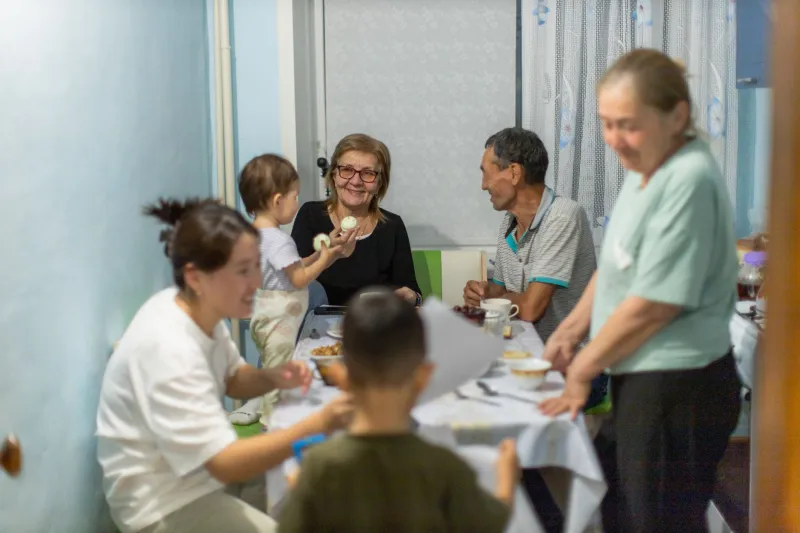
Hosts are often generous with time, food and patience. That generosity is not an invitation to treat the household or project as a hotel. One coordinator described the ideal volunteer as someone who understands that being welcomed and being in charge are different things.
Ask before you rearrange. Ask before you start a new activity. Ask before you take over the kitchen, the classroom or the store room. In many communities, the local coordinator has spent years building trust with families, schools and authorities. A volunteer who arrives and immediately proposes a better system can undo that work without meaning to.
The practical version is straightforward: learn the daily rhythm first. When are meals? When is quiet time? Who uses which spaces? What happens on market day, worship day or school holidays? Write it down if you need to. Then fit yourself around it rather than expecting the household to fit around you.
Money needs a conversation, not a performance
Money is one of the fastest ways to create distance. UK volunteers often want to be helpful, so they pay for everything, buy extra supplies or offer cash without being asked. Sometimes that is welcome. Sometimes it quietly shifts the relationship into one of patron and recipient.
Ask what the agreed contribution covers. Ask whether transport, food or materials are included. Ask how local staff and hosts are compensated, if at all. If you want to give something extra, ask the coordinator what would actually help rather than deciding on the spot. A shared bag of groceries is not the same as funding a project without consultation.
Hosts also notice the opposite: volunteers who expect to be subsidised, who treat a modest placement fee as a full-board holiday package, or who complain about costs they could have checked before booking. Clarity before departure is kinder than awkwardness on arrival.
Photography is a consent issue, not a souvenir issue
Many host communities are rightly wary of cameras. Images of children, homes, worship spaces and working lives can travel far beyond the moment they were taken. Ask before photographing people, and ask again before posting. A nod from an adult is not automatic consent for a child, and permission in one setting does not cover another.
Avoid the poverty-porn framing that turns complex communities into backdrops for a volunteer's personal growth. If you would not want the photo taken of your own family, do not take it of someone else's. Share copies with the people in them where possible. And if a host says no, let that be the end of it.
Food, faith and the rules you cannot see
Food is often the first place where cultural difference becomes practical. Eat what is offered with thanks. Explain allergies, vegetarian needs or medical requirements before you arrive, not at the table. Offer to help cook and clean. Do not moralise about local diets, packaging, farming or the way a household shops.
Religion may be central to the placement or entirely separate from it. Either way, ask about dress codes, prayer times, fasting, alcohol and behaviour in sacred spaces. Do not preach, and do not treat local practice as a photo opportunity. If you are unsure, watch, ask a trusted person and err on the side of restraint.
Timekeeping is a two-way translation
UK volunteers often arrive with a clock-based sense of punctuality. Host communities may run on relational time, where finishing a conversation matters more than hitting a slot. That does not mean anything goes. Ask what timekeeping means for your duties. Be early for teaching, clinic support or scheduled meetings. Be flexible in social settings. Confirm arrangements the day before, and do not assume a casual yes is a firm commitment.
The small behaviours that build trust
Learn names and use them. Greet people properly. Learn a few phrases in the local language, even badly. Do the dishes without being asked. Follow through on small promises. Apologise when you get it wrong, quickly and without drama. Ask questions instead of offering verdicts. These are not soft skills; they are the operating system of a good placement.
A pre-departure checklist for 2026
Before you fly, ask your host or coordinator:
- What are the household routines, quiet hours and shared-space rules?
- What costs am I expected to cover, and what is included?
- What should I know about photography, dress, food and religion?
- What language should I try to learn, and what phrases are most useful?
- What are my actual duties, hours and lines of reporting?
- Who do I speak to if something goes wrong?
- What gifts, if any, would be appropriate?
- What safeguarding and health arrangements are in place?
- How will we review the placement halfway through?
A good exchange is not built on perfect manners. It is built on attention. The hosts who welcome UK volunteers are not looking for someone to save the day. They are looking for someone who can join the day, learn from it and leave something useful behind.