The Flat Patch: A Field Guide to the Middle of a Volunteering Placement

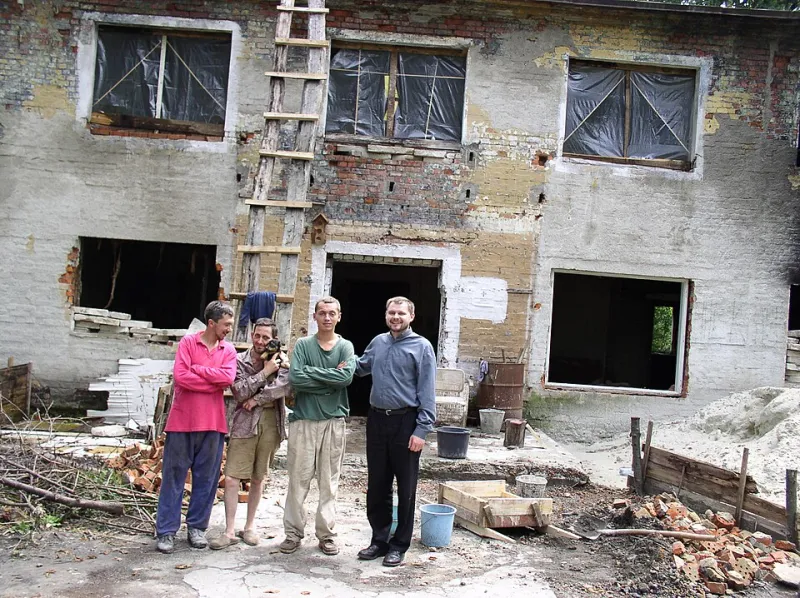
Photo: volunteer taking quiet break during overseas community placement, via fourseasonscare.org
The first week of an overseas placement has its own momentum. There are names to learn, taps that work differently, meals to navigate and a host who keeps asking if you have eaten. The last week has a different energy too: goodbyes, photos, a suitcase that somehow weighs more than it did on the way out. It is the bit in between that catches people out.
Somewhere around the second or third week, the novelty thins. You know where the shop is. You have stopped being charmingly new. The work may be slower than you imagined, or stranger, or harder to measure. This is the flat patch, and it is common enough that it deserves a proper look rather than a shrug.
The dip is not a verdict
A wobbly midpoint does not mean you chose the wrong placement, or that you are not cut out for this kind of trip. It usually means the opposite: you have moved past the arrival bubble and into the ordinary, complicated reality of being somewhere. That shift is not a failure of commitment. It is what happens when a place stops being a backdrop and starts being a place.
UK volunteers often prepare hard for the practical stuff. Insurance, visas, jabs, packing lists, the question of whether to take a sleeping bag. All useful. But few of us plan for the emotional middle, so when it arrives it can feel like a private problem rather than a predictable part of the arc.
What is actually going on
There is rarely one cause. More often it is a pile-up of small things.
Routine frays. Sleep changes, meal times shift, and the small anchors that keep you steady at home disappear. If you are used to a strict cup of tea at 4pm, a lunch that arrives at 3pm can feel oddly disorienting.
Language fatigue sets in. Even if you are working in English, accents, idiom, humour and the effort of constant translation can drain you. Understanding a meeting is not the same as relaxing in a room.
Group dynamics get more honest. Volunteers who were delighted with each other in week one may find small habits irritating by week three. That is not necessarily a crisis. It is what happens when people stop performing friendliness and start being themselves.
Guilt creeps in. You may be doing tasks that feel small, slow or invisible. You may be spending more time building trust than delivering outputs. You may wonder whether you are useful at all.
Comparison makes it worse. Someone else’s placement looks more dynamic on a phone screen. Someone else seems to have found their purpose by Tuesday. Most of that is editing.
A midpoint check-in you can do together
Rather than waiting for the dip to pass, build a short review into the middle of the placement. Twenty minutes with your host or placement coordinator is enough to start. Keep it practical and specific.
Ask four questions:
- What has worked well so far, for you and for the host?
- What has been harder than expected?
- What would make the next stretch feel more useful or more manageable?
- What should we stop, start or keep doing?
Write the answers down. Agree one or two changes, not ten. If the conversation needs a softer shape, try rose, thorn and bud: something that is going well, something that is prickly, and something you would like to see grow.
The point is not to produce a perfect plan. It is to make the middle visible. A flat patch that is named is usually easier to work with than one that is left to fester.
For hosts: make room for the flat patch
Hosts can help by treating the midpoint as normal. A scheduled review, a change of task, or an honest explanation of why some work is slow can make a big difference. So can inviting volunteers into ordinary life rather than keeping them in a guest bubble. A walk to the market, a family meal, a quiet hour with a book: these are not distractions from the placement. They are part of how trust is built.
It also helps to explain the rhythm of the work. If a project is waiting on a delivery, a meeting or the weather, say so. Volunteers often read delay as rejection or uselessness. Context is kinder than silence.
The guilt about not feeling useful
Usefulness is not always obvious from the inside. Some of the most valuable things a volunteer does are relational: showing up consistently, listening, asking better questions, helping a host think through a problem, being reliable with small tasks. That does not fit neatly on a project report, but it matters.
If you are spending hours wondering whether you are helping, treat that as information. Ask for one concrete task you can own. Ask what would genuinely ease the host’s week. Then do that thing well. Purpose often returns through small, specific actions rather than grand revelations.
Protect one thing that is yours
In the middle of a placement, it is easy to give every hour to the group, the host or the project. Try to keep one small routine that belongs to you. A morning walk. A journal page. A scheduled call home that is not squeezed in at midnight. It does not need to be worthy. It just needs to be yours.
When it is more than a dip
Most flat patches lift with time, rest and a decent conversation. Some do not. If you feel unsafe, exploited, harassed or seriously unwell, that is not a normal midpoint wobble. Speak to your placement organisation, your insurer and, if needed, the relevant UK consular services. A placement is not a contract to endure harm. Leaving early is sometimes the responsible choice.
Coming out the other side
The middle of a placement is where the trip stops being an idea and becomes a real experience with real people in it. That is why it can feel flat. It is also why it can become the most honest part of the whole thing.
Plan for the dip. Name it with your host. Make one or two small changes. Then give it a few days. Week four often looks different from week three, and the volunteer who stays curious through the flat patch usually comes home with something more useful than a suntan and a set of photos.